Vinod Khosla Warns Quantum Computing May Threaten Cryptocurrency Security by 2030
Investor Vinod Khosla suggests that rapid advancements in AI and quantum computing could render current cryptocurrency encryption methods obsolete within the next six years.
 📉Economy
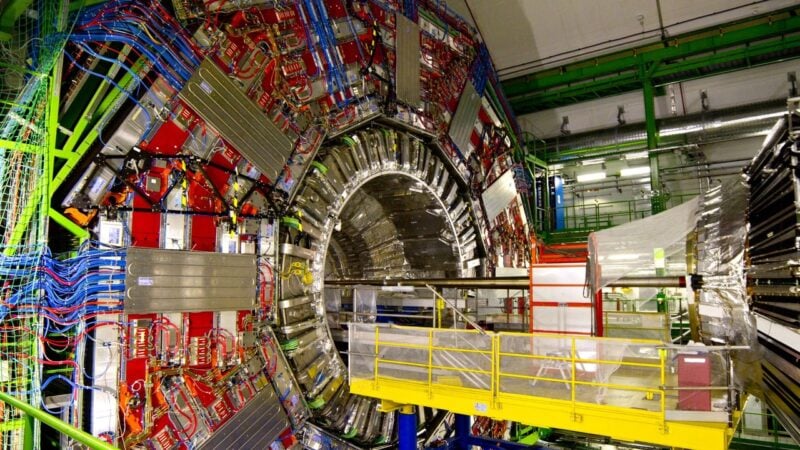
Photo: Crypto Briefing
Key points
- Vinod Khosla warns quantum computing could break crypto encryption by 2030.
- NIST is currently developing new standards to defend against quantum-based threats.
- Market confidence in specific assets like Hyperliquid has softened following these warnings.
Venture capitalist Vinod Khosla has cautioned that the convergence of artificial intelligence and quantum computing may jeopardize the encryption standards currently securing the cryptocurrency market. By 2030, these technological leaps could potentially compromise elliptic-curve signatures, the cryptographic foundation for many digital assets. This warning highlights a growing concern regarding the long-term viability of current security protocols against future computational power.
The threat centers on the ability of quantum computers to eventually bypass traditional encryption, a scenario that has prompted the National Institute of Standards and Technology (NIST) to begin developing post-quantum cryptographic defenses. While the exact timeline for when quantum hardware will reach this capability remains a subject of debate among experts, the uncertainty is already impacting market sentiment.
Investors have begun to adjust their outlooks in response to these warnings. For instance, prediction markets for the asset Hyperliquid have shown a decline in confidence, with the probability of reaching a $100 price point by late 2026 currently estimated at 8.5%. These fluctuations reflect how market participants are beginning to price in the potential for future technological disruptions to digital asset security.
What to do with this
For those holding digital assets, this serves as a reminder to prioritize the security of long-term investments and monitor how different projects address the transition to post-quantum standards. Diversification remains a primary tool for managing risk, as technological vulnerabilities could disproportionately affect specific platforms or protocols that rely on older encryption methods.
Watch next
- Updates from the National Institute of Standards and Technology (NIST) regarding new post-quantum security protocols.
- Technological breakthroughs in quantum computing that could accelerate the timeline for encryption vulnerabilities.
Source Crypto Briefing — cryptobriefing.com/khosla-warns-ai-and-quantum-computing-could-threaten… ↗
Read next
 💎Wealth Building
Exascale Labs Stock Faces Sell Rating Amid Uncertain GPU Demand
Exascale Labs, a provider of GPU-based computing power and server infrastructure, has received a sell rating at a share price of $1.92.
 💎Wealth Building
Anthropic Shares Climb to $91.88 Following AI Market Rally
Anthropic shares rose nearly 11% on November 27, moving past their initial public offering price as investor confidence in AI stocks returned. The company now faces the c…
 💰Save & Budget
Capital One Shopping Offers Targeted Walmart Discounts for Black Friday
Targeted Capital One Shopping users can stack two separate rewards offers at Walmart to significantly reduce the net cost of holiday purchases.
 🏦Banking & Loans
Binance Brasil Gains Foreign Exchange License Allowing Higher Transfer Limits
Binance Brasil has secured its third regulatory license from the Central Bank of Brazil, potentially allowing qualifying users to increase international asset transfers t…
 💰Save & Budget
Nasdaq Performance Trends and Technology Sector Market Dynamics
The Nasdaq index has recently experienced a period of underperformance relative to the broader market. Analysts suggest this trend may be temporary given the heavy weight…
 📉Economy
Sam Bankman-Fried Challenges FTX Collapse Narrative Following Documentary Release
Convicted FTX founder Sam Bankman-Fried is disputing media portrayals of his exchange's 2022 collapse, claiming the firm was illiquid rather than insolvent.