Senator-Elect Proposes 'TrumpCare' to Secure Universal Healthcare Coverage
Senator-elect Abdul El-Sayed is proposing a bipartisan healthcare expansion branded as 'TrumpCare' to bypass political gridlock and address rising medical costs.
 💎Wealth Building
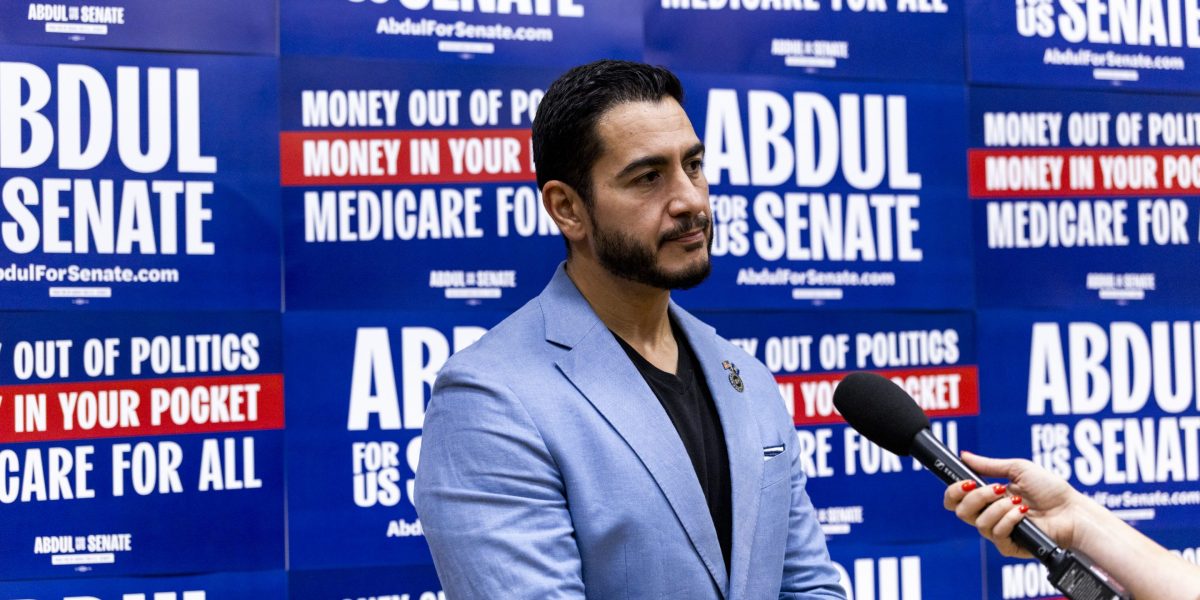
Photo: Fortune Well
Key points
- Senator-elect Abdul El-Sayed proposes universal healthcare branded as 'TrumpCare' to ensure bipartisan support.
- Rising medical costs and the expiration of pandemic-era subsidies are creating financial strain for many families.
- The proposal aims to eliminate premiums, co-pays, and deductibles for all Americans.
Incoming Democratic Senator Abdul El-Sayed has proposed a legislative strategy to secure universal healthcare by rebranding the initiative as "TrumpCare." By appealing to the president-elect’s preference for personal branding, El-Sayed aims to secure a guarantee for comprehensive health coverage that eliminates premiums, co-pays, and deductibles for all Americans from birth to death.
This proposal arrives as households face significant financial pressure from rising medical expenses. Many workers are experiencing "sticker shock" during the current open enrollment period due to increasing premiums. Additionally, costs for Affordable Care Act plans are rising following the expiration of pandemic-era subsidies, leaving many families struggling to manage healthcare budgets.
El-Sayed, alongside other Democratic leaders like Senator-elect Peggy Flanagan, has signaled a willingness to prioritize policy outcomes over partisan labels. The strategy involves leveraging the president-elect’s desire for a lasting legacy to gain support from Republican members of Congress. Discussions regarding potential meetings between the incoming senator and the incoming administration are reportedly underway.
What to do with this
Households currently navigating open enrollment should carefully review their employer-provided health plans, specifically checking for changes in deductibles and out-of-pocket maximums. For those relying on the Affordable Care Act marketplace, it is essential to compare current plan costs against previous years, as subsidy changes may impact total monthly expenditures. Maintaining a dedicated health savings account (HSA) or flexible spending account (FSA) remains a prudent way to manage potential medical costs while awaiting further legislative developments.
Watch next
- January congressional session start date
- Updates on potential bipartisan healthcare negotiations
Source Fortune Well — fortune.com/2026/11/22/ronald-reagan-adbul-el-sayed-trumpcare-for-all-m… ↗
Read next
 🏦Banking & Loans
BlackRock Executive Advocates for 24/7 Financial Infrastructure
BlackRock's digital assets director says traditional businesses increasingly require around-the-clock financial systems. The firm is expanding its tokenized fund offering…
 📊Investing
Comparing Pfizer’s 6% Yield and AbbVie’s 53-Year Dividend Track Record
Investors are weighing the high dividend yield of Pfizer against the long-term dividend growth history of AbbVie to determine which pharmaceutical stock offers better val…
 💰Save & Budget
Evaluating Costco Shopping Value Versus Stock Valuation Ahead of Black Friday
Market analysis suggests that Costco's current stock price may be overvalued compared to the savings potential of its retail offerings.
 📊Investing
Universal Technical Institute Reports $897 Million Revenue Amid Campus Expansion Plans
Universal Technical Institute reported $897 million in full-year revenue for 2026, driven by high demand for skilled trades training. The company plans to increase capita…
 📉Economy
Bitcoin Price Drops Below $60,000 Following $6.8 Billion Options Expiry
Bitcoin's price dipped below $60,000 on Friday as a significant volume of options contracts expired, fueling ongoing market uncertainty.
 🧾Taxes
Bitcoin Whales Accumulate 121,000 BTC Despite Declining Profit Margins
Large Bitcoin holders are bucking historical trends by accumulating over 121,000 BTC in the fourth quarter, even as realized losses mount and profit margins hit multi-yea…