Pharmaceutical Shift Toward Weight-Loss Drugs May Threaten Global Insulin Supply
Pharmaceutical companies are increasingly prioritizing lucrative weight-loss drugs over traditional insulin production, raising concerns about supply stability for diabetes patients. Experts warn this market shift could negatively impact access to essential treatments in low- and middle-income nations.
 💎Wealth Building
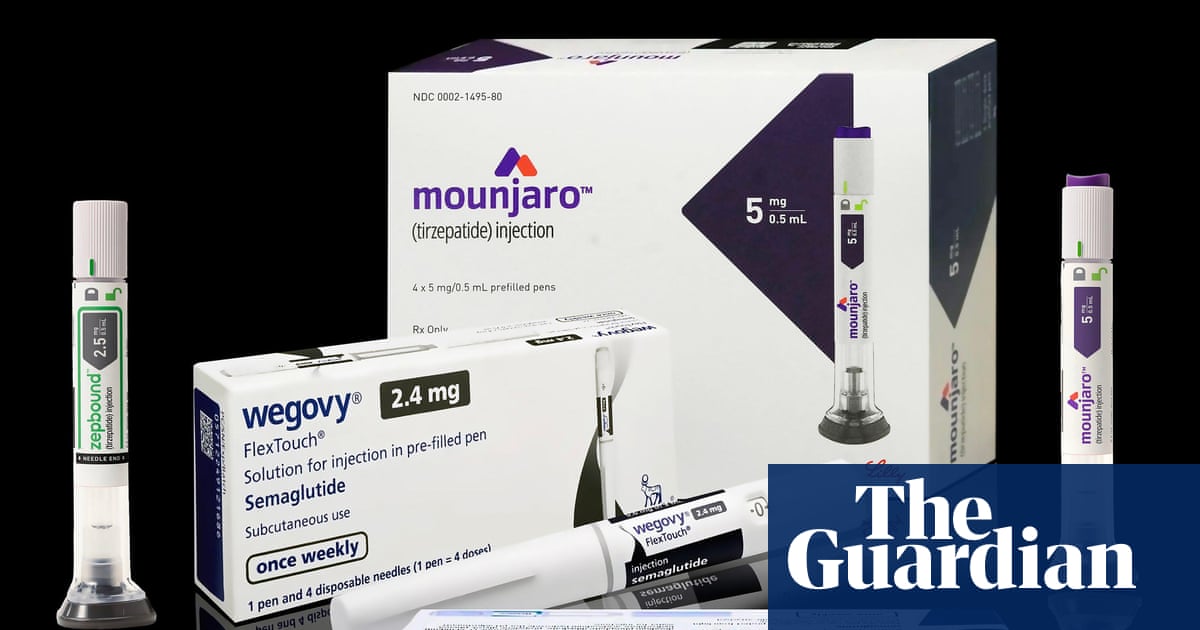
Photo: Guardian Business
Key points
- Pharmaceutical firms are prioritizing high-profit GLP-1 weight-loss drugs over insulin.
- 81% of the 589 million adults with diabetes live in low- and middle-income countries.
- Experts warn that a potential exit from the insulin market by major manufacturers would threaten global supply.
The surging popularity of GLP-1 medications, such as Novo Nordisk’s Ozempic and Eli Lilly’s Mounjaro, is prompting pharmaceutical manufacturers to shift their focus toward the highly profitable weight-loss market. According to a report by the Access to Medicine Foundation, this strategic pivot risks de-prioritizing the production of insulin, a life-saving treatment for individuals with type 1 diabetes.
While GLP-1 drugs have transformed obesity and diabetes management, they offer significantly higher profit margins than traditional insulin. Jay Iyer, CEO of the foundation, cautioned that if major producers like Sanofi, Eli Lilly, or Novo Nordisk reduce their commitment to the insulin market, it could lead to catastrophic supply shortages, particularly for the 589 million adults globally living with diabetes, 81% of whom reside in low- and middle-income countries.
The industry response remains mixed. While Novo Nordisk has signaled plans to phase out certain older diabetes products, other firms are continuing to invest in manufacturing capacity. Sanofi recently initiated construction on a new insulin production site in Frankfurt, and Eli Lilly received U.S. regulatory approval for a new weekly insulin injection for type 2 diabetes patients in September.
What to do with this
For households managing diabetes, it is prudent to discuss long-term medication supply plans with healthcare providers to ensure consistent access. Patients and caregivers should stay informed about potential shifts in their specific medication availability and explore generic or alternative insulin options if their current brand faces supply chain disruptions or price volatility.
Watch next
- Future quarterly earnings reports from major pharmaceutical companies regarding production capacity.
- Updates on global health equity initiatives and potential changes to corporate access-to-medicine strategies.
Source Guardian Business — theguardian.com/business/2026/nov/10/pharma-firms-weight-loss-drugs… ↗
Read next
 💳Credit & Cards
Southwest Airlines Offers Limited-Time Companion Pass Promotion Through November 29
Southwest Airlines is offering a temporary Companion Pass for travelers who book and complete specific flights before early 2027.
 🏦Banking & Loans
BlackRock Executive Advocates for 24/7 Financial Infrastructure
BlackRock's digital assets director says traditional businesses increasingly require around-the-clock financial systems. The firm is expanding its tokenized fund offering…
 📊Investing
Comparing Pfizer’s 6% Yield and AbbVie’s 53-Year Dividend Track Record
Investors are weighing the high dividend yield of Pfizer against the long-term dividend growth history of AbbVie to determine which pharmaceutical stock offers better val…
 💰Save & Budget
Evaluating Costco Shopping Value Versus Stock Valuation Ahead of Black Friday
Market analysis suggests that Costco's current stock price may be overvalued compared to the savings potential of its retail offerings.
 📊Investing
Universal Technical Institute Reports $897 Million Revenue Amid Campus Expansion Plans
Universal Technical Institute reported $897 million in full-year revenue for 2026, driven by high demand for skilled trades training. The company plans to increase capita…
 📉Economy
Bitcoin Price Drops Below $60,000 Following $6.8 Billion Options Expiry
Bitcoin's price dipped below $60,000 on Friday as a significant volume of options contracts expired, fueling ongoing market uncertainty.