Trump Nominates 4 Regulators to Fill SEC and CFTC Seats
U.S. President Donald Trump has nominated four officials to fill open commissioner seats at the SEC and CFTC. The appointments aim to restore quorums at both market regulators ahead of upcoming Senate leadership changes.
 💎Wealth Building
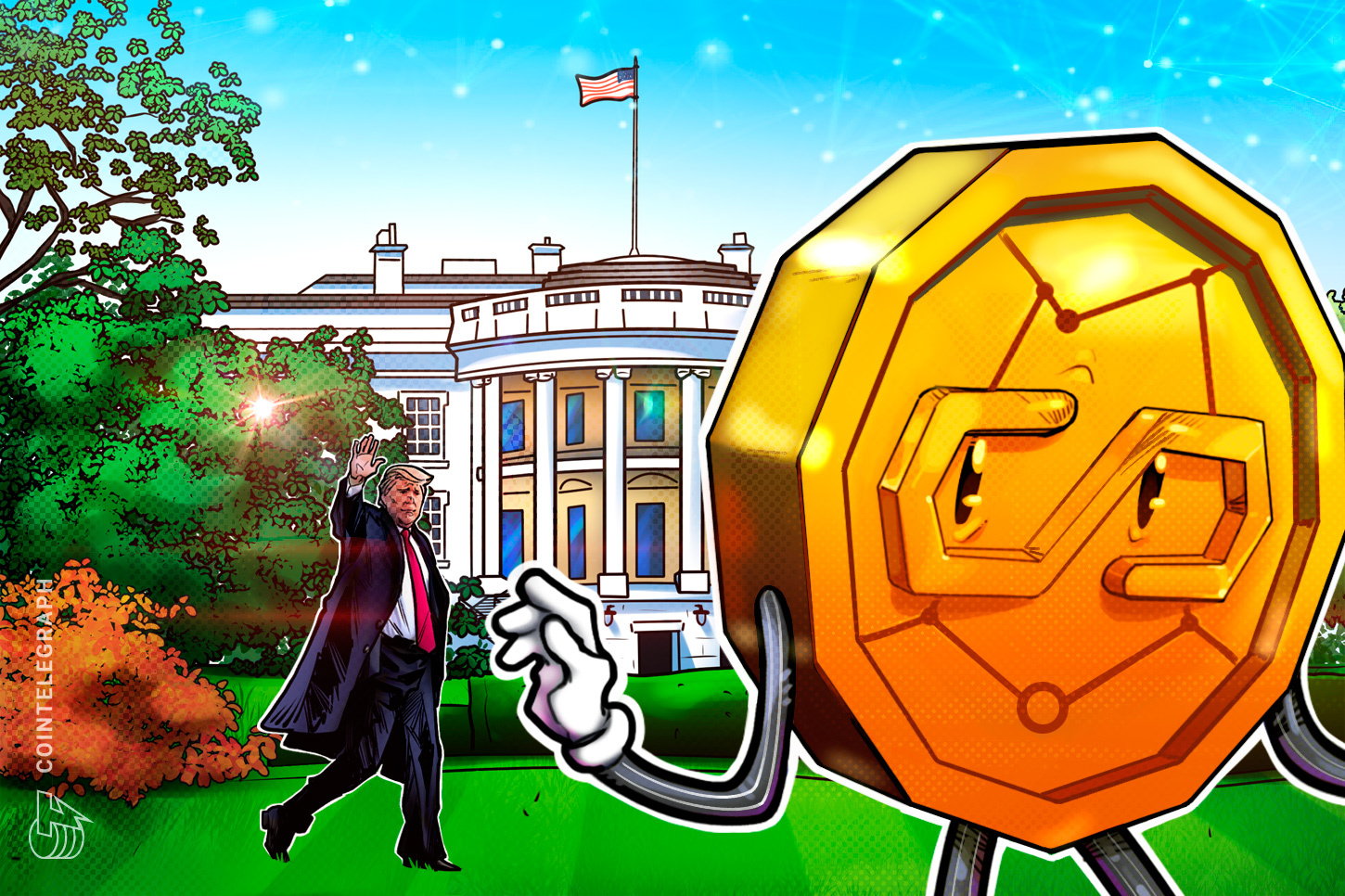
Photo: Cointelegraph
Key points
- President Trump nominated Steven Levine and Kristin Johnson to the SEC, alongside Nathan Anonick and Matthew Rowland to the CFTC.
- The nominations aim to restore full five-member commissions at both regulators, where seats currently remain largely vacant.
- All four appointments require Senate committee reviews and majority confirmation votes before the January legislative transition.
U.S. President Donald Trump has nominated four officials to fill key leadership vacancies at the Securities and Exchange Commission (SEC) and the Commodity Futures Trading Commission (CFTC). The White House announced two appointments for each agency, aiming to restore voting quorums at the top federal market regulators before Democratic lawmakers take control of the Senate in January.
For the SEC, Trump selected Republican Steven Levine for a term ending June 5, 2030, to replace former commissioner Hester Peirce, who stepped down in October. The president also nominated Democrat Kristin Johnson, a former CFTC commissioner focused on investor protection and crypto conflict-of-interest rules, for a seat expiring June 5, 2029. The SEC has operated with only two of its five commissioner positions filled.
At the CFTC, where Chairman Michael Selig has been the sole active member of a five-seat panel, Trump nominated Republican Nathan Anonick and Democrat Matthew Rowland. Both nominees previously worked on digital asset regulation through the CLARITY Act. To take office, the SEC nominees must pass through the Senate Banking Committee while the CFTC candidates face the Senate Agriculture Committee, followed by full Senate majority votes.
What to do with this
Individual investors and cryptocurrency holders can review how potential regulatory shifts might impact market rules, trading platform compliance, and investor protections. Monitoring institutional regulatory standards helps retail market participants assess risk levels across standard brokerage accounts and digital asset holdings without altering long-term financial plans hastily.
Watch next
- January 2025: Shift in Senate party control, creating a narrow timeline for confirmation votes.
- Senate committee hearings: Senate Banking and Agriculture committee votes on the four agency nominees.
Source Cointelegraph — cointelegraph.com/news/trump-nominates-hester-peirce-successor-among-se… ↗
Read next
 💳Credit & Cards
Southwest Airlines Offers Limited-Time Companion Pass Promotion Through November 29
Southwest Airlines is offering a temporary Companion Pass for travelers who book and complete specific flights before early 2027.
 🏦Banking & Loans
BlackRock Executive Advocates for 24/7 Financial Infrastructure
BlackRock's digital assets director says traditional businesses increasingly require around-the-clock financial systems. The firm is expanding its tokenized fund offering…
 📊Investing
Comparing Pfizer’s 6% Yield and AbbVie’s 53-Year Dividend Track Record
Investors are weighing the high dividend yield of Pfizer against the long-term dividend growth history of AbbVie to determine which pharmaceutical stock offers better val…
 💰Save & Budget
Evaluating Costco Shopping Value Versus Stock Valuation Ahead of Black Friday
Market analysis suggests that Costco's current stock price may be overvalued compared to the savings potential of its retail offerings.
 📊Investing
Universal Technical Institute Reports $897 Million Revenue Amid Campus Expansion Plans
Universal Technical Institute reported $897 million in full-year revenue for 2026, driven by high demand for skilled trades training. The company plans to increase capita…
 📉Economy
Bitcoin Price Drops Below $60,000 Following $6.8 Billion Options Expiry
Bitcoin's price dipped below $60,000 on Friday as a significant volume of options contracts expired, fueling ongoing market uncertainty.