Tax Foundation Warns Trump Tariffs and Spending Threaten Household Affordability
Recent polling shows Americans prioritize lower living costs over tax carveouts, according to a Tax Foundation analysis warning against new tariffs and government spending.
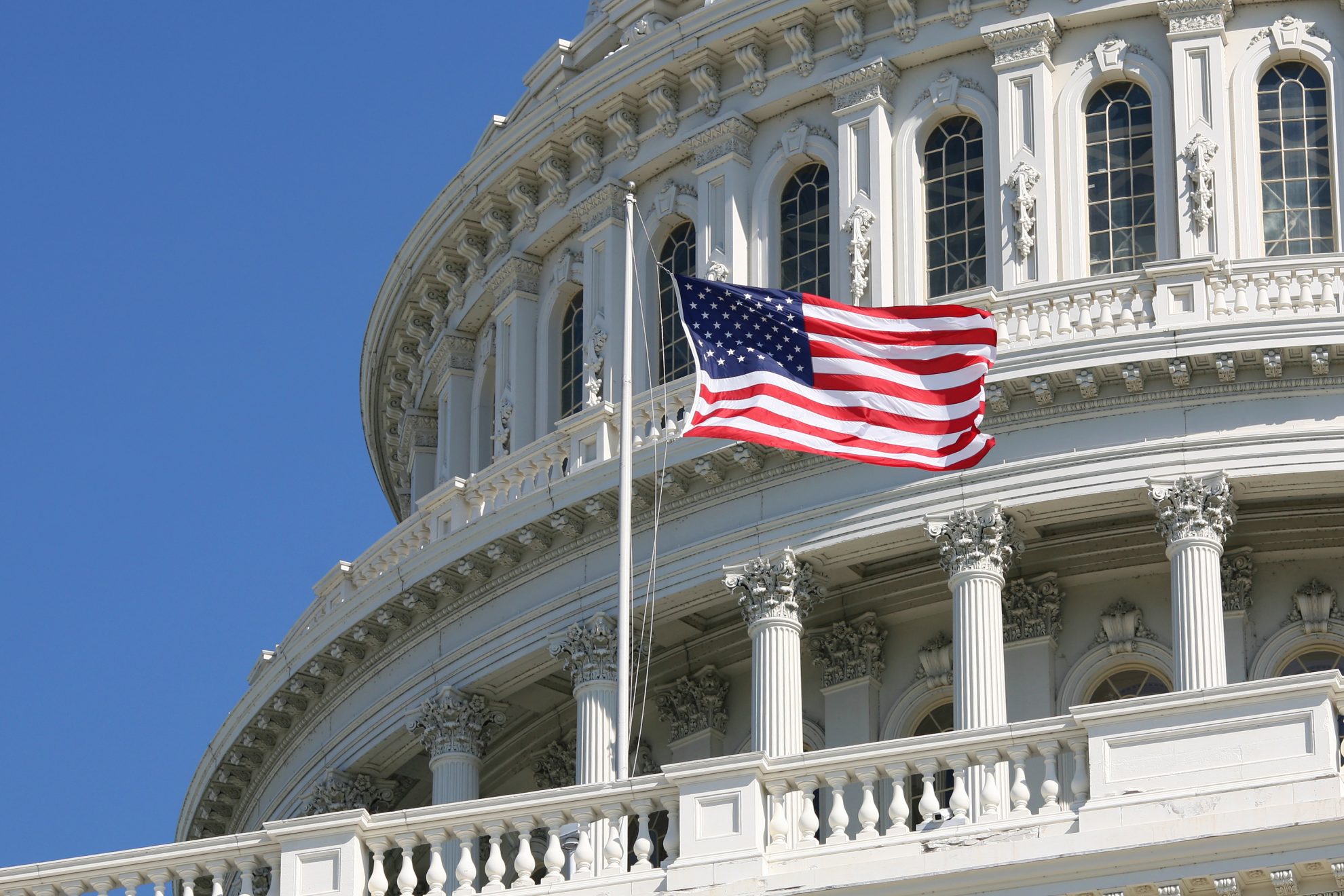 🧾Taxes
Photo: Tax Foundation
Key points
- Voters prioritize lower living costs over wage boosts by a 20-point margin in August polling.
- The Tax Foundation warns that new tariffs and spending agendas will fail to deliver affordability.
- Lawmakers face an upcoming debt ceiling expiration next year that could trigger new tax and spend debates.
Voters across recent election cycles have made cost-of-living concerns their top priority, signaling widespread frustration with rising prices at grocery stores, gas pumps, and across the economy. According to August polling cited by Tax Foundation President and CEO Daniel Bunn, respondents favored government action to lower everyday costs over wage boosts by a significant 20-point margin. Despite this clear public mandate for affordability, newly elected members of the House and Senate face a looming debt ceiling expiration next year alongside various spending priorities that could tempt lawmakers back into a traditional tax-and-spend agenda.
The analysis warns that pursuing protectionist policies, such as tariffs proposed by Donald Trump, risks driving expenses higher for ordinary households rather than alleviating inflationary pressures. Past legislative decisions from Washington have repeatedly added to household financial strain following the post-pandemic inflation surge. Economists and policy experts argue that relying on tax code carveouts or additional government spending fails to address the root causes of high consumer prices.
What to do with this
Savers and budget-conscious households should continue to build robust emergency funds to cushion against persistent price pressures and potential policy shifts affecting consumer goods. Borrowers and homeowners must factor higher everyday living costs into their long-term budgeting, ensuring debt levels remain manageable in an uncertain economic climate. Investors and taxpayers should monitor upcoming legislative debates in Washington regarding the debt ceiling and potential tax code revisions that could impact household finances.
Watch next
- The upcoming debt ceiling expiration next year in Washington
- Future legislative proposals concerning trade tariffs and federal tax policy changes
Source Tax Foundation — taxfoundation.org/oped/congress-trump-tariffs-affordability-inflation/ ↗
Read next
 🏦Banking & Loans
BlackRock Executive Advocates for 24/7 Financial Infrastructure
BlackRock's digital assets director says traditional businesses increasingly require around-the-clock financial systems. The firm is expanding its tokenized fund offering…
 📊Investing
Comparing Pfizer’s 6% Yield and AbbVie’s 53-Year Dividend Track Record
Investors are weighing the high dividend yield of Pfizer against the long-term dividend growth history of AbbVie to determine which pharmaceutical stock offers better val…
 💰Save & Budget
Evaluating Costco Shopping Value Versus Stock Valuation Ahead of Black Friday
Market analysis suggests that Costco's current stock price may be overvalued compared to the savings potential of its retail offerings.
 📊Investing
Universal Technical Institute Reports $897 Million Revenue Amid Campus Expansion Plans
Universal Technical Institute reported $897 million in full-year revenue for 2026, driven by high demand for skilled trades training. The company plans to increase capita…
 📉Economy
Bitcoin Price Drops Below $60,000 Following $6.8 Billion Options Expiry
Bitcoin's price dipped below $60,000 on Friday as a significant volume of options contracts expired, fueling ongoing market uncertainty.
 📉Economy
Arthur Hayes Warns of Crypto Volatility Ahead of Federal Reserve Blackout
Arthur Hayes suggests cryptocurrency markets may face weekend volatility due to the upcoming Federal Reserve policy quiet period. Analysts remain divided on whether Bitco…