Market Performance and Legislative Gridlock Following 2026 Midterms
Following the 2026 midterm elections, political shifts in Washington are prompting investors to re-evaluate how legislative control impacts long-term market performance.
 🧾Taxes
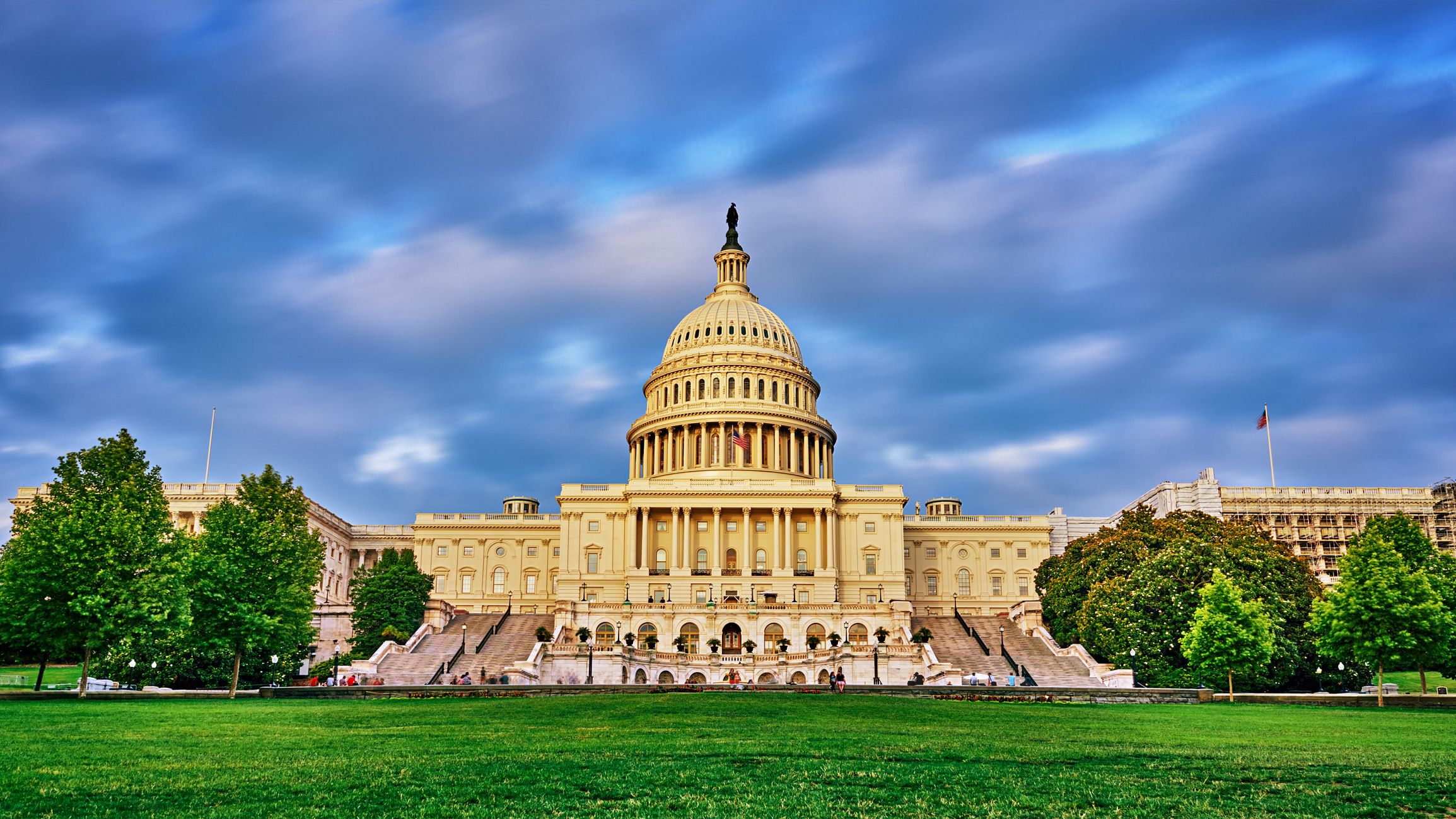
Photo: Kiplinger
Key points
- Democrats secured a majority in both the House and Senate following the 2026 midterms.
- Historical data shows the S&P 500 has performed better under split Congresses than single-party control.
- Experts warn against timing the market based on political predictions due to the risk of inaccurate sector forecasting.
The 2026 midterm elections have resulted in a significant shift in political power, with Democrats securing a majority in the House with 259 seats and expanding their presence in the Senate to at least 55 seats. With President Donald Trump serving the final two years of his term, the current landscape suggests a period of intense political friction between the executive and legislative branches.
Historical market data suggests that while stocks often see immediate gains following midterm elections, the specific composition of Congress influences long-term returns. Analysis from the Carson Group indicates that the S&P 500 has historically performed better under a split Congress, averaging 15.1% returns, compared to 6.7% when Democrats hold control of both chambers. However, experts caution against making portfolio decisions based solely on political outcomes, noting that past predictions about sector performance during specific administrations have frequently proven inaccurate.
Ultimately, the prospect of legislative gridlock may serve as a stabilizing force for markets, as it often prevents sweeping or drastic policy changes. Investors are encouraged to maintain a long-term perspective rather than reacting to short-term political shifts, as historical trends show that markets tend to remain resilient regardless of which party holds the majority.
What to do with this
Investors may consider focusing on diversified, broad-market strategies that are less sensitive to specific legislative outcomes. Rather than shifting assets based on political predictions, it is often more effective to maintain a balanced portfolio that aligns with your personal risk tolerance and long-term financial goals. Reviewing your asset allocation and ensuring you have an adequate emergency fund can provide a buffer against potential market volatility caused by policy uncertainty.
Watch next
- Final certification of Senate seat counts in Alaska
- The first legislative session following the 2026 midterm transition
Source Kiplinger — kiplinger.com/investing/etfs/best-etfs-for-a-divided-dc ↗
Read next
 🏦Banking & Loans
BlackRock Executive Advocates for 24/7 Financial Infrastructure
BlackRock's digital assets director says traditional businesses increasingly require around-the-clock financial systems. The firm is expanding its tokenized fund offering…
 📊Investing
Comparing Pfizer’s 6% Yield and AbbVie’s 53-Year Dividend Track Record
Investors are weighing the high dividend yield of Pfizer against the long-term dividend growth history of AbbVie to determine which pharmaceutical stock offers better val…
 💰Save & Budget
Evaluating Costco Shopping Value Versus Stock Valuation Ahead of Black Friday
Market analysis suggests that Costco's current stock price may be overvalued compared to the savings potential of its retail offerings.
 📊Investing
Universal Technical Institute Reports $897 Million Revenue Amid Campus Expansion Plans
Universal Technical Institute reported $897 million in full-year revenue for 2026, driven by high demand for skilled trades training. The company plans to increase capita…
 📉Economy
Bitcoin Price Drops Below $60,000 Following $6.8 Billion Options Expiry
Bitcoin's price dipped below $60,000 on Friday as a significant volume of options contracts expired, fueling ongoing market uncertainty.
 📉Economy
Arthur Hayes Warns of Crypto Volatility Ahead of Federal Reserve Blackout
Arthur Hayes suggests cryptocurrency markets may face weekend volatility due to the upcoming Federal Reserve policy quiet period. Analysts remain divided on whether Bitco…