Divided Government Opens Door to Bipartisan Tax Changes for 2027
As Washington prepares for a divided government in 2027 and 2028, lawmakers from both parties are eyeing potential compromises on tax, trade, and fiscal policies.
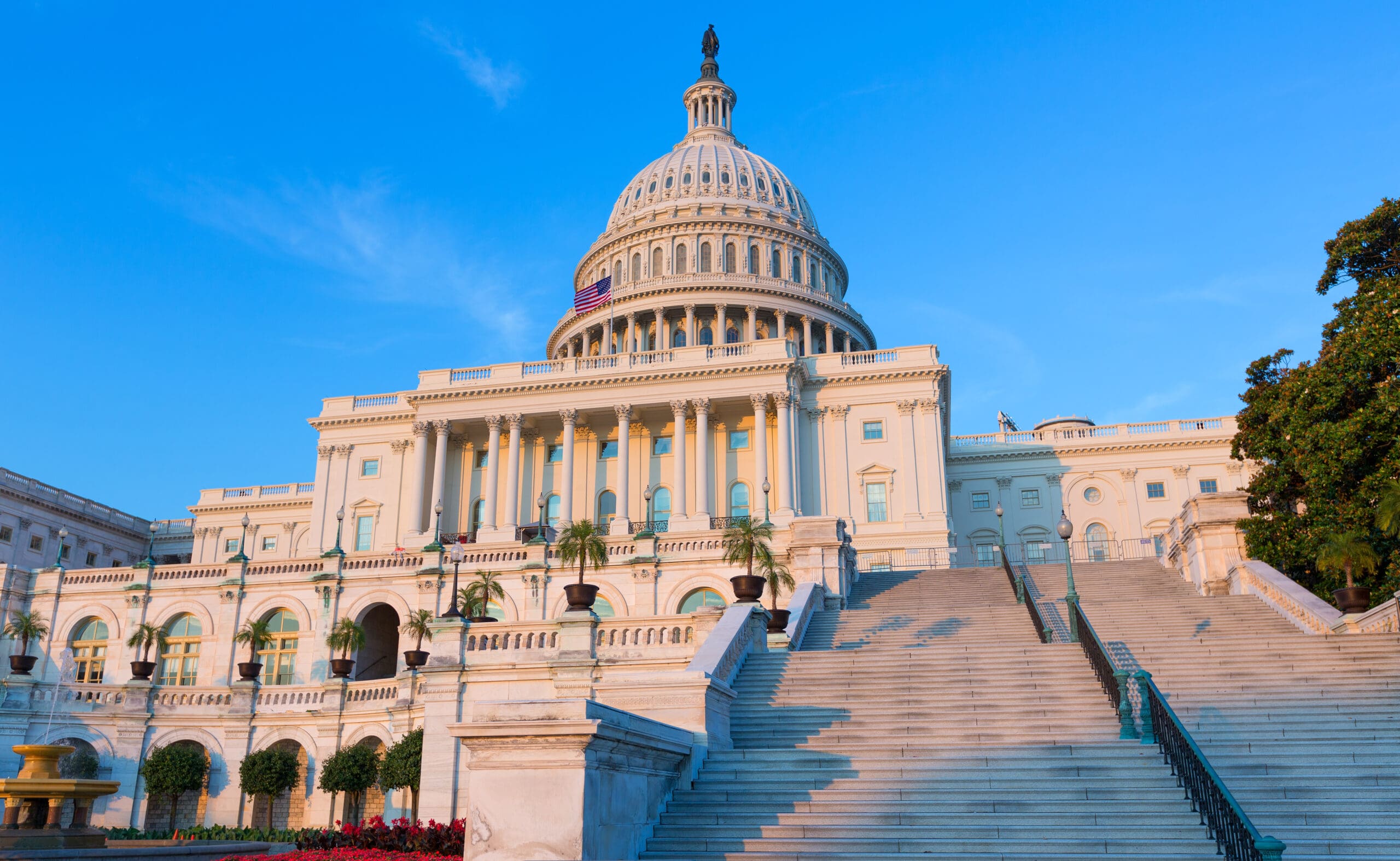 🧾Taxes
Photo: Tax Foundation
Key points
- Divided government in Washington creates potential for bipartisan tax and trade compromises in 2027 and 2028.
- Positive proposals include multifamily housing expensing and IRS service improvements.
- Risky proposals involve narrowing the tax base with targeted industry carveouts and 'no tax on' policies.
A divided government taking shape in Washington heading into 2027 could open the door for bipartisan cooperation on federal tax and trade policies, according to a Tax Foundation analysis by Senior Economist Alex Durante. While Democrats control both chambers of Congress and a Republican remains in the White House, lawmakers may find common ground on several administrative and structural reforms during the upcoming legislative sessions.
Potential areas for constructive compromise include enhancing full expensing rules for multifamily housing construction, upgrading taxpayer services at the Internal Revenue Service, and reevaluating recent tariffs or reclaiming legislative authority over trade policy. However, the outlook also includes less desirable bipartisan proposals, such as expanding the "no tax on" trend and introducing targeted carveouts for specific industries like film, television, and clean energy.
Tax experts emphasize that while bipartisan momentum can drive legislative action, lawmakers should prioritize the core tenets of sound tax reform—simplicity, neutrality, transparency, and stability—rather than narrowing the income tax base with specialized exemptions.
What to do with this
Savers, business owners, and taxpayers should monitor upcoming legislative debates in late 2026 and early 2027 for potential shifts in tax deductions, housing incentives, and sector-specific credits. Individuals planning long-term investments or business expansions should consult with a tax professional to stay informed on how potential changes to expensing rules or tax bases could impact financial planning.
Watch next
- November and December 2026 lame-duck legislative session
- January 3, 2027, convening of the new session of Congress
Source Tax Foundation — taxfoundation.org/blog/not-all-bipartisan-tax-ideas-are-created-equal/ ↗
Read next
 🏦Banking & Loans
BlackRock Executive Advocates for 24/7 Financial Infrastructure
BlackRock's digital assets director says traditional businesses increasingly require around-the-clock financial systems. The firm is expanding its tokenized fund offering…
 📊Investing
Comparing Pfizer’s 6% Yield and AbbVie’s 53-Year Dividend Track Record
Investors are weighing the high dividend yield of Pfizer against the long-term dividend growth history of AbbVie to determine which pharmaceutical stock offers better val…
 💰Save & Budget
Evaluating Costco Shopping Value Versus Stock Valuation Ahead of Black Friday
Market analysis suggests that Costco's current stock price may be overvalued compared to the savings potential of its retail offerings.
 📊Investing
Universal Technical Institute Reports $897 Million Revenue Amid Campus Expansion Plans
Universal Technical Institute reported $897 million in full-year revenue for 2026, driven by high demand for skilled trades training. The company plans to increase capita…
 📉Economy
Bitcoin Price Drops Below $60,000 Following $6.8 Billion Options Expiry
Bitcoin's price dipped below $60,000 on Friday as a significant volume of options contracts expired, fueling ongoing market uncertainty.
 📉Economy
Arthur Hayes Warns of Crypto Volatility Ahead of Federal Reserve Blackout
Arthur Hayes suggests cryptocurrency markets may face weekend volatility due to the upcoming Federal Reserve policy quiet period. Analysts remain divided on whether Bitco…