New US Export Rules Could Force Re-letting of $25 Billion in GPU Capacity
Goldman Sachs estimates that up to 395,000 GPUs used by China-linked firms may need new tenants due to tightening US export controls on remote AI access.
 💰Save & Budget
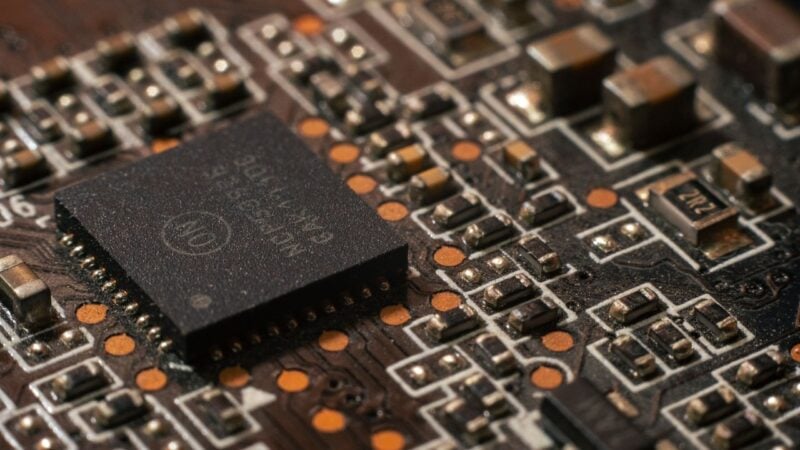
Photo: Crypto Briefing
Key points
- Up to 395,000 GPUs may require new tenants due to US remote access restrictions.
- Annual rental value of affected capacity is estimated between $17 billion and $25 billion.
- Data center operators face potential revenue gaps during the transition to new tenants.
New US regulations targeting remote access to advanced AI technology may force data center operators to re-let capacity currently occupied by China-linked firms. According to estimates from Goldman Sachs, between 263,000 and 395,000 GPUs could be affected, representing an annual rental value of $17 billion to $25 billion.
The shift follows increased scrutiny from the US Commerce Department and the Bureau of Industry and Security. While US export rules previously focused on the physical sale of hardware, recent policy updates now extend to the remote rental of compute power. By using offshore data centers, Chinese firms had previously bypassed direct hardware restrictions, a practice now being curtailed by new regulatory frameworks including the Remote Access Security Act.
For data center operators, the primary challenge lies in the transition period required to find new tenants and migrate workloads. While the current market for high-end AI compute remains tight, with rental rates estimated at $40 billion to $50 billion per gigawatt annually, a sudden influx of vacated capacity could force operators to adjust pricing to maintain occupancy.
What to do with this
Investors and households with exposure to tech-heavy portfolios or cloud infrastructure stocks should monitor how these regulatory shifts impact revenue stability for major data center providers. While demand for AI compute remains high globally, the reliance on specific geographic customer bases introduces a layer of geopolitical risk that could lead to short-term volatility in the earnings of companies heavily invested in neocloud infrastructure.
Watch next
- November 2026: Implementation of tighter Bureau of Industry and Security rules regarding AI chip access.
- Ongoing: Updates on the enforcement of the Remote Access Security Act (RASA) regarding offshore data center usage.
Source Crypto Briefing — cryptobriefing.com/goldman-china-linked-ai-gpu-rent-relet/ ↗
Read next
 📊Investing
Comparing Pfizer’s 6% Yield and AbbVie’s 53-Year Dividend Track Record
Investors are weighing the high dividend yield of Pfizer against the long-term dividend growth history of AbbVie to determine which pharmaceutical stock offers better val…
 📊Investing
Universal Technical Institute Reports $897 Million Revenue Amid Campus Expansion Plans
Universal Technical Institute reported $897 million in full-year revenue for 2026, driven by high demand for skilled trades training. The company plans to increase capita…
 📉Economy
Bitcoin Price Drops Below $60,000 Following $6.8 Billion Options Expiry
Bitcoin's price dipped below $60,000 on Friday as a significant volume of options contracts expired, fueling ongoing market uncertainty.
 🧾Taxes
Bitcoin Whales Accumulate 121,000 BTC Despite Declining Profit Margins
Large Bitcoin holders are bucking historical trends by accumulating over 121,000 BTC in the fourth quarter, even as realized losses mount and profit margins hit multi-yea…
 📉Economy
Arthur Hayes Warns of Crypto Volatility Ahead of Federal Reserve Blackout
Arthur Hayes suggests cryptocurrency markets may face weekend volatility due to the upcoming Federal Reserve policy quiet period. Analysts remain divided on whether Bitco…
 🪙Crypto Basics
PrimeXBT Integrates TradingView to Streamline Crypto Market Analysis and Execution
PrimeXBT has integrated with the TradingView platform, allowing users to perform technical analysis and execute trades across crypto and traditional assets from a single …