Nvidia Investors Face Risks Over Lack of Formal Succession Planning
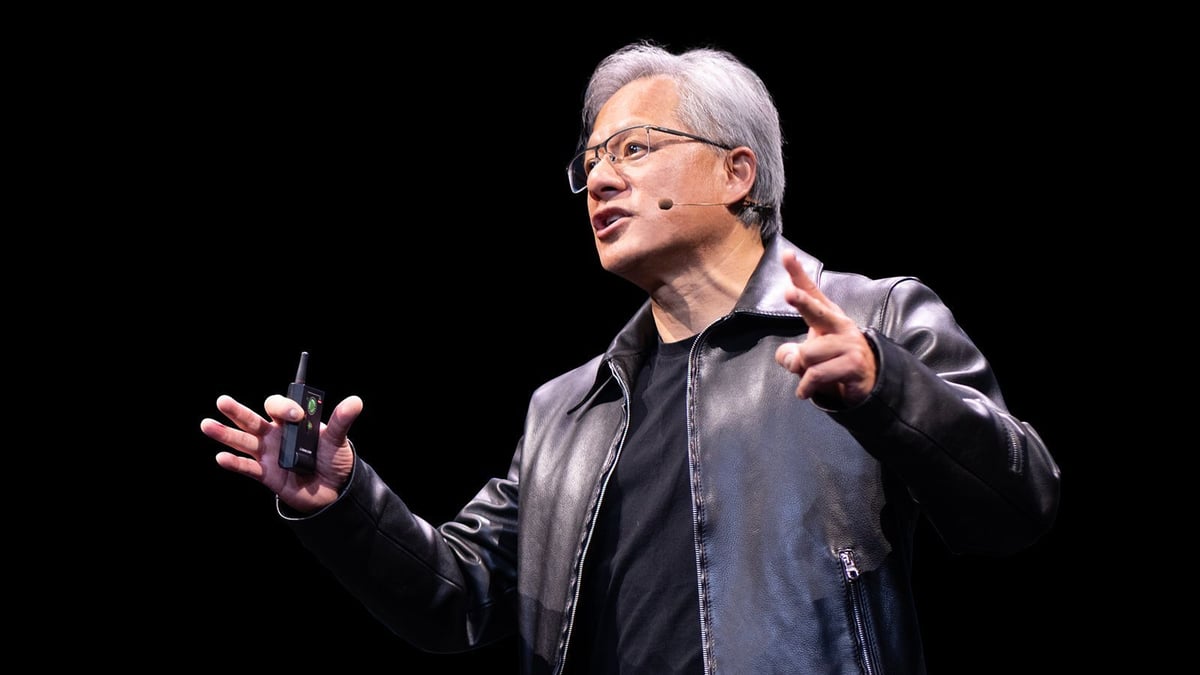
Nvidia CEO Jensen Huang's recent brief departure highlighted investor anxiety regarding the company's lack of a formal succession plan. Despite the company's strong financial performance, the absence of a clear future leader remains a potential source of long-term stock volatility.
 📊Investing
Photo: Motley Fool
Key points
- Nvidia reported $115 billion in revenue, yet lacks a formal succession plan for its CEO.
- The company's stock price dropped 24% during a brief 11-day period when Jensen Huang was absent.
- Management has indicated that the current organizational structure does not require a named successor.
Nvidia has established itself as a dominant force in the artificial intelligence sector, reporting total revenue growth of over 100% to $115 billion in its most recent period. The company’s success is largely attributed to its early pivot toward graphics processing units (GPUs) for AI development, with its latest Vera Rubin platform generating nearly $20 billion during its initial commercial quarter.
However, the company’s stock price experienced significant volatility earlier this month when CEO Jensen Huang briefly stepped down following personal allegations. During his 11-day absence, the company's share price fell by 24%, only to rebound by over 30% upon his reinstatement. This market reaction underscored a structural vulnerability: the company currently lacks a formal, publicly recognized succession plan.
While investors and analysts often favor a clearly defined leadership transition strategy to ensure long-term stability, Huang has reportedly indicated that he does not intend to name a successor. He has argued that the company’s unique organizational structure, which features many leaders reporting directly to him, functions effectively without a traditional hierarchy. Nevertheless, the recent period of uncertainty suggests that market confidence remains closely tied to his individual leadership.
What to do with this
Investors holding Nvidia stock may want to evaluate their personal risk tolerance regarding leadership concentration. Those concerned about potential volatility during future management changes might consider reviewing their portfolio diversification or setting stop-loss orders to manage downside risk. Long-term shareholders should monitor the company's quarterly earnings reports for any shifts in corporate governance policies or official statements regarding executive structure.
Watch next
- Next quarterly earnings conference call
- Future announcements regarding corporate governance or leadership structure
Source Motley Fool — fool.com/investing/2026/11/25/nvidia-s-jensen-huang-should-do-this-… ↗
Read next
 💰Save & Budget
Evaluating Costco Shopping Value Versus Stock Valuation Ahead of Black Friday
Market analysis suggests that Costco's current stock price may be overvalued compared to the savings potential of its retail offerings.
 📉Economy
Bitcoin Price Drops Below $60,000 Following $6.8 Billion Options Expiry
Bitcoin's price dipped below $60,000 on Friday as a significant volume of options contracts expired, fueling ongoing market uncertainty.
 🧾Taxes
Bitcoin Whales Accumulate 121,000 BTC Despite Declining Profit Margins
Large Bitcoin holders are bucking historical trends by accumulating over 121,000 BTC in the fourth quarter, even as realized losses mount and profit margins hit multi-yea…
 📉Economy
Arthur Hayes Warns of Crypto Volatility Ahead of Federal Reserve Blackout
Arthur Hayes suggests cryptocurrency markets may face weekend volatility due to the upcoming Federal Reserve policy quiet period. Analysts remain divided on whether Bitco…
 🪙Crypto Basics
PrimeXBT Integrates TradingView to Streamline Crypto Market Analysis and Execution
PrimeXBT has integrated with the TradingView platform, allowing users to perform technical analysis and execute trades across crypto and traditional assets from a single …
 🧓Retirement & FIRE
Taiwan Semiconductor Manufacturing Company Holds 75% Global Pure-Play Market Share
Taiwan Semiconductor Manufacturing Company (TSMC) maintains its dominant position in the global semiconductor industry with a 75% market share.