Analyst Identifies Six Indicators for Potential AI Market Bubble Burst
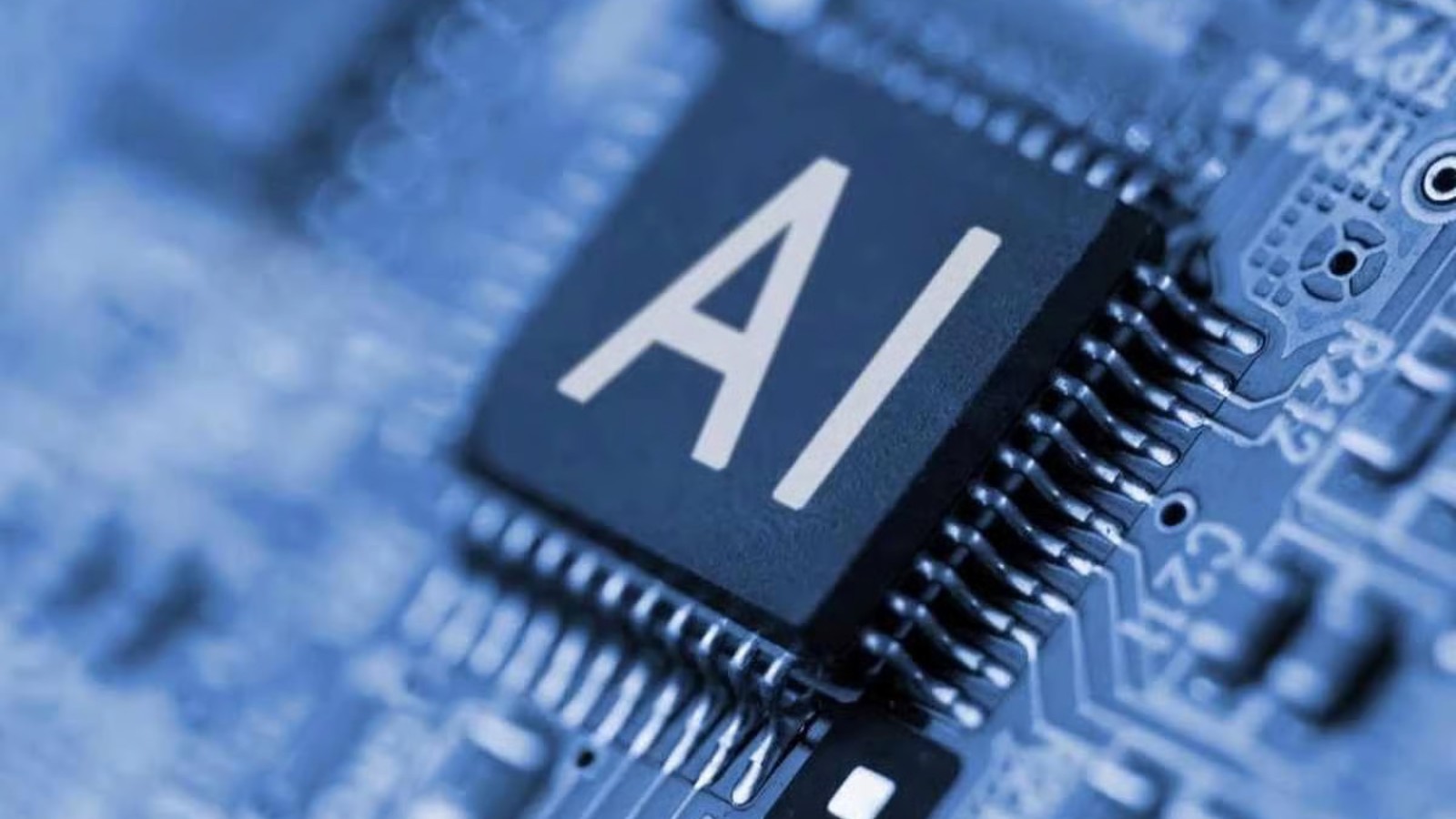
Trading expert Ali Martinez has outlined six key indicators that could signal a collapse in the current artificial intelligence investment bubble. While some warning signs are partially active, the expert suggests a full reversal requires more widespread financial stress across the sector.
 📊Investing
Photo: Finbold
Key points
- Six indicators identified for potential AI market bubble
- Concerns over unused hardware and data center capacity
- Regulatory and geopolitical risks impacting semiconductor revenue
Trading analyst Ali Martinez has identified six critical factors that could indicate the bursting of the artificial intelligence market bubble. These indicators include infrastructure underperformance, reductions in spending guidance, shifts in Nvidia’s revenue growth, changes in credit spreads, software valuation breakdowns, and semiconductor firms failing to maintain long-term support levels. As of November 9, two of these indicators are fully triggered, two are partially active, and two remain inactive.
Market concerns are further compounded by ongoing scrutiny regarding Nvidia’s revenue reliance on Chinese markets and potential export restriction bypasses. Reports from 2026 suggest that major hyperscalers, including Microsoft and Amazon, may be struggling with data center capacity and power constraints, leading to significant stockpiles of unused hardware. These logistical hurdles, combined with potential regulatory shifts following U.S. midterm elections, raise questions about the sustainability of current capital expenditure levels in the AI sector.
Despite these challenges, Martinez noted that major investment cycles are rarely derailed by isolated earnings reports or technical dips. The analyst maintains that a more comprehensive shift in financial conditions is typically required before a significant market correction occurs.
What to do with this
Investors concerned about sector-specific volatility may consider reviewing their portfolio exposure to high-growth tech stocks and semiconductor manufacturers. Diversification remains a primary tool for mitigating the impact of industry-specific downturns, while maintaining a long-term perspective can help avoid reactive decisions based on short-term market rumors or individual company scandals.
Watch next
- Future quarterly earnings reports from major AI infrastructure providers.
- Updates on U.S. regulatory policies regarding data center construction and export controls.
Source Finbold — finbold.com/trading-expert-reveals-when-the-ai-bubble-could-burst/ ↗
Read next
 📉Economy
Anthropic Faces Significant Share Unlock Following IPO Price Dip
Anthropic shares have fallen below their IPO price as the company prepares for a series of major lockup expirations starting December 15.
 💰Save & Budget
Capital One Shopping Offers Targeted Walmart Discounts for Black Friday
Targeted Capital One Shopping users can stack two separate rewards offers at Walmart to significantly reduce the net cost of holiday purchases.
 🏦Banking & Loans
Binance Brasil Gains Foreign Exchange License Allowing Higher Transfer Limits
Binance Brasil has secured its third regulatory license from the Central Bank of Brazil, potentially allowing qualifying users to increase international asset transfers t…
 💰Save & Budget
Nasdaq Performance Trends and Technology Sector Market Dynamics
The Nasdaq index has recently experienced a period of underperformance relative to the broader market. Analysts suggest this trend may be temporary given the heavy weight…
 📉Economy
K33 Research: AI Advances Pose No Immediate Threat to Bitcoin Security
Recent mathematical breakthroughs assisted by AI have sparked concerns about Bitcoin's cryptographic integrity, but analysts report that the network remains secure.
 📉Economy
Sam Bankman-Fried Challenges FTX Collapse Narrative Following Documentary Release
Convicted FTX founder Sam Bankman-Fried is disputing media portrayals of his exchange's 2022 collapse, claiming the firm was illiquid rather than insolvent.