China’s Tech Market Slump Threatens Household Wealth and Economic Strategy
China's STAR 50 index has fallen 44% from its summer peak, complicating President Xi Jinping's efforts to shift household savings from real estate into equity markets.
 📉Economy
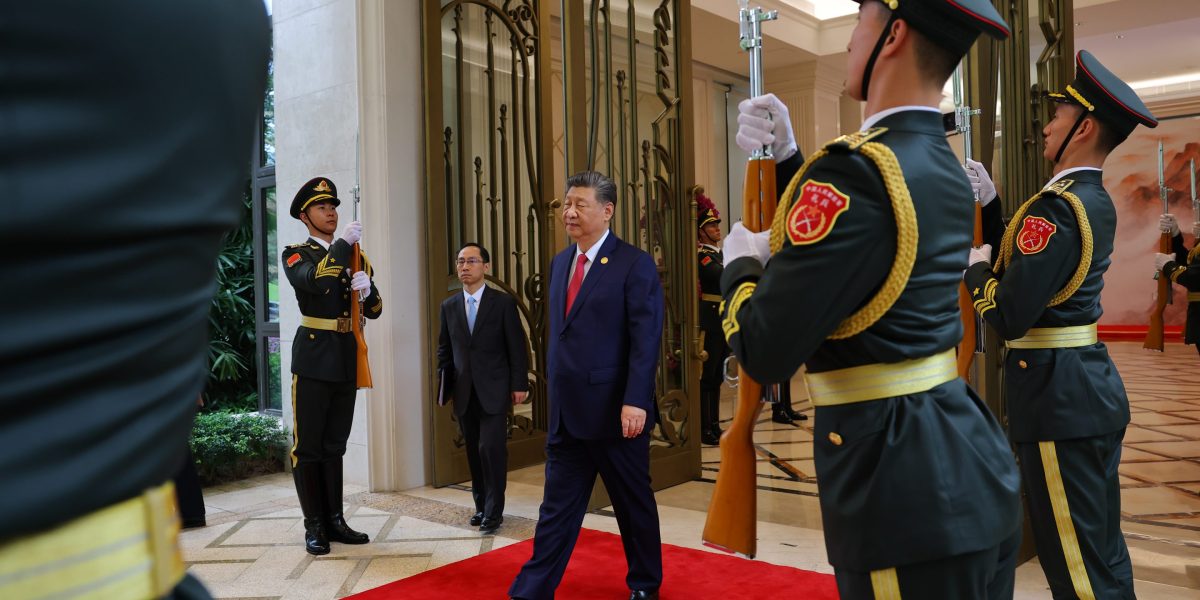
Photo: Fortune Well
Key points
- China's STAR 50 index has declined 44% from its summer high.
- Real estate, formerly 70% of household wealth, is no longer a reliable savings vehicle.
- New international restrictions on chip access threaten China's AI rollout.
The Chinese stock market, specifically the tech-heavy STAR 50 index, has experienced a significant downturn, dropping 44% from its highs this past summer. This decline poses a substantial challenge to the government's economic agenda, which seeks to transition household wealth away from the struggling property sector and toward stock market investments to fund the nation's artificial intelligence development.
Historically, real estate has served as the primary repository for approximately 70% of Chinese household wealth. However, as the property market faces a severe contraction—with investment falling nearly 22% in October—the government has struggled to convince retail investors to pivot to equities. Many households remain hesitant to invest due to past market volatility and a perception that the market lacks transparency, a sentiment Yardeni Research describes as "financial PTSD."
To stabilize the situation, the State Council has designated market stability as a top priority for the remainder of the year. Regulators have implemented measures to encourage company share buybacks while discouraging initial public offerings to prevent further dilution. Despite these efforts, the combination of domestic economic headwinds, international trade tariffs, and new restrictions on advanced chip access continues to pressure the nation's technological ambitions and broader financial stability.
What to do with this
For those with exposure to international markets, this situation highlights the risks of relying on state-directed economic transitions and the impact of geopolitical trade restrictions on individual sector performance. Investors may consider reviewing their geographic diversification and assessing how localized economic policies in major markets can influence global portfolio volatility.
Watch next
- End-of-year economic performance data from the Chinese State Council.
- Updates on international technology and chip export restrictions affecting AI development.
Source Fortune Well — fortune.com/2026/11/21/ai-bust-china-economy-xi-jinping-property-crash-… ↗
Read next
 🏦Banking & Loans
BlackRock Executive Advocates for 24/7 Financial Infrastructure
BlackRock's digital assets director says traditional businesses increasingly require around-the-clock financial systems. The firm is expanding its tokenized fund offering…
 📊Investing
Comparing Pfizer’s 6% Yield and AbbVie’s 53-Year Dividend Track Record
Investors are weighing the high dividend yield of Pfizer against the long-term dividend growth history of AbbVie to determine which pharmaceutical stock offers better val…
 💰Save & Budget
Evaluating Costco Shopping Value Versus Stock Valuation Ahead of Black Friday
Market analysis suggests that Costco's current stock price may be overvalued compared to the savings potential of its retail offerings.
 📊Investing
Universal Technical Institute Reports $897 Million Revenue Amid Campus Expansion Plans
Universal Technical Institute reported $897 million in full-year revenue for 2026, driven by high demand for skilled trades training. The company plans to increase capita…
 🧾Taxes
Bitcoin Whales Accumulate 121,000 BTC Despite Declining Profit Margins
Large Bitcoin holders are bucking historical trends by accumulating over 121,000 BTC in the fourth quarter, even as realized losses mount and profit margins hit multi-yea…
 🪙Crypto Basics
PrimeXBT Integrates TradingView to Streamline Crypto Market Analysis and Execution
PrimeXBT has integrated with the TradingView platform, allowing users to perform technical analysis and execute trades across crypto and traditional assets from a single …