Crypto Card Users Face Hidden Conversion Costs During Daily Purchases
Most cryptocurrency debit cards convert digital assets into fiat currency at the point of sale, often masking the true cost of transactions.
 🪙Crypto Basics
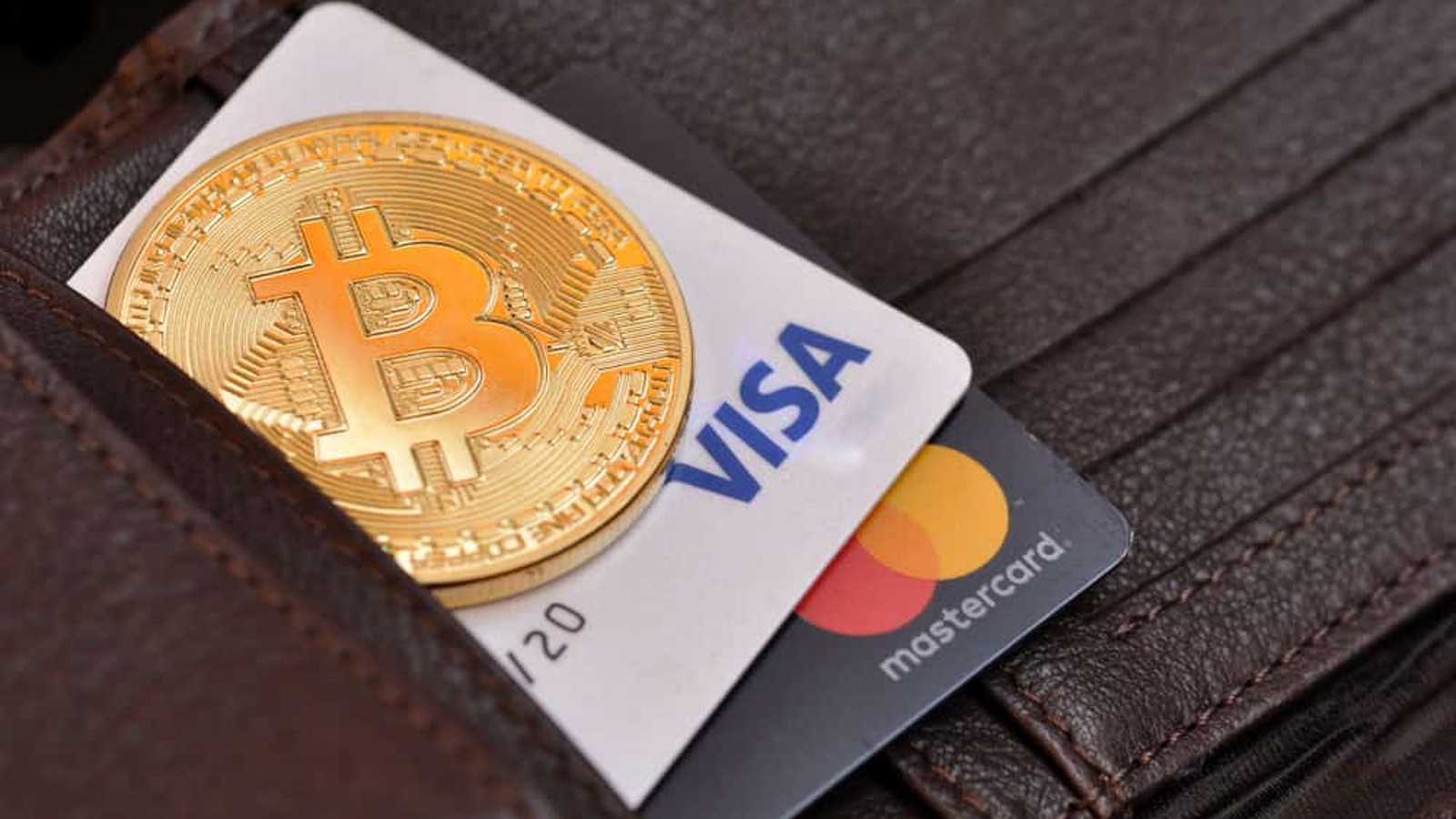
Photo: Finbold
Key points
- Crypto cards usually convert assets to fiat behind the scenes rather than paying merchants in crypto.
- Providers may hide costs in the exchange rate spread while advertising zero fees.
- Stablecoins reduce volatility but do not eliminate the need for transparent conversion data.
Most cryptocurrency debit cards convert digital assets into traditional fiat currency at the moment of purchase rather than allowing direct crypto transfers to merchants. While marketed as a way to "spend crypto directly," these transactions typically involve selling assets like Bitcoin or Ethereum to fund a standard payment or using them as collateral for a line of credit.
According to industry standards and Visa documentation, providers manage the backend exchange process, which can include settling with card networks using stablecoins while the merchant receives local currency. This complexity often masks the true cost of a transaction, as providers may apply a spread to the exchange rate even when advertising zero transaction fees. These spreads and additional charges for topping up or withdrawing cash can add up significantly over multiple transactions.
The rise of stablecoins has simplified the process by reducing price volatility, but it has not eliminated the need for conversion. Users often remain unaware of whether their provider is selling their assets in real-time or if they are drawing against a pre-funded fiat balance. For a sector that emphasizes financial transparency, the current lack of clarity regarding exchange rates and settlement methods remains a challenge for everyday users.
What to do with this
Users should review the terms of service for their specific card to identify hidden spreads on conversion rates and any "top-up" fees. Comparing the exchange rate offered by the card provider against the current market rate can reveal the actual cost of using digital assets for daily expenses instead of using a traditional bank card.
Watch next
- The next quarterly earnings reports from major card issuers like Visa and Mastercard for updates on stablecoin settlement integration.
- Upcoming regulatory guidance from consumer protection agencies regarding transparency in digital asset payment products.
Source Finbold — finbold.com/crypto-cards-need-to-stop-pretending-there-is-no-conversion/ ↗
Read next
 🏦Banking & Loans
BlackRock Executive Advocates for 24/7 Financial Infrastructure
BlackRock's digital assets director says traditional businesses increasingly require around-the-clock financial systems. The firm is expanding its tokenized fund offering…
 📊Investing
Comparing Pfizer’s 6% Yield and AbbVie’s 53-Year Dividend Track Record
Investors are weighing the high dividend yield of Pfizer against the long-term dividend growth history of AbbVie to determine which pharmaceutical stock offers better val…
 💰Save & Budget
Evaluating Costco Shopping Value Versus Stock Valuation Ahead of Black Friday
Market analysis suggests that Costco's current stock price may be overvalued compared to the savings potential of its retail offerings.
 📊Investing
Universal Technical Institute Reports $897 Million Revenue Amid Campus Expansion Plans
Universal Technical Institute reported $897 million in full-year revenue for 2026, driven by high demand for skilled trades training. The company plans to increase capita…
 📉Economy
Bitcoin Price Drops Below $60,000 Following $6.8 Billion Options Expiry
Bitcoin's price dipped below $60,000 on Friday as a significant volume of options contracts expired, fueling ongoing market uncertainty.
 🧾Taxes
Bitcoin Whales Accumulate 121,000 BTC Despite Declining Profit Margins
Large Bitcoin holders are bucking historical trends by accumulating over 121,000 BTC in the fourth quarter, even as realized losses mount and profit margins hit multi-yea…