SEC Enforcement Activity Hits 35-Year Low as Crypto Oversight Shifts
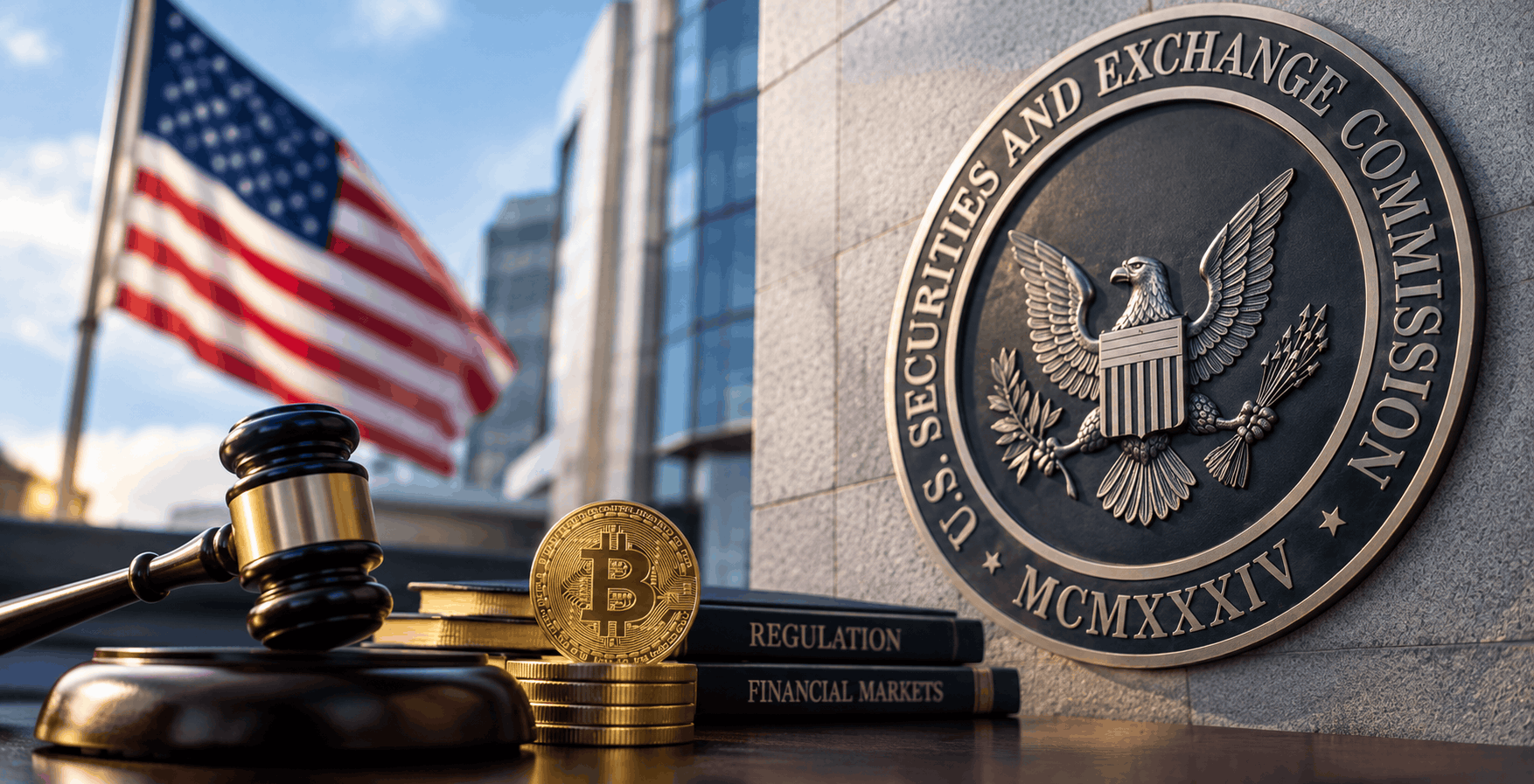
The U.S. Securities and Exchange Commission reported its lowest volume of enforcement actions since 1991, signaling a pivot toward industry-friendly regulation.
 🪙Crypto Basics
Photo: Bitcoinist
Key points
- SEC enforcement actions dropped to 348 in fiscal year 2026, a 35-year low.
- Total monetary remedies collected by the agency fell to approximately $1.1 billion.
- The administration is pivoting toward clearer regulatory frameworks instead of relying on litigation.
The U.S. Securities and Exchange Commission (SEC) filed 348 enforcement actions during the 2026 fiscal year, marking a 24% decrease from the 456 cases recorded in 2025. This total represents the agency's lowest level of annual enforcement activity since 1991. Alongside the decline in case volume, the regulator secured approximately $1.1 billion in total monetary remedies, consisting of $752 million in disgorgement and interest, and $343 million in civil penalties.
SEC Chairman Paul Atkins stated that the agency’s performance should be measured by the quality of outcomes and investor protection rather than the sheer number of legal filings. This shift in strategy aligns with the current administration’s focus on reducing regulatory burdens. Consequently, the agency has moved to close or withdraw several high-profile investigations involving major cryptocurrency firms, including Coinbase, Kraken, and Ripple.
While supporters argue that a more predictable legal environment will foster innovation and institutional participation, critics express concern that reduced oversight could diminish investor safeguards. The move away from litigation-based regulation toward a clearer framework for digital assets remains a subject of intense debate in Washington, as financial institutions wait for definitive compliance standards before expanding their blockchain-related operations.
What to do with this
Investors should monitor how the shift from litigation to formal regulation impacts the operational stability of crypto platforms. Those interested in digital assets may consider focusing on the long-term implications of institutional adoption and market infrastructure development rather than reacting to short-term price volatility. It is essential to remain cautious, as regulatory clarity is still evolving and market conditions remain subject to broader economic factors.
Watch next
- Future updates on the SEC's proposed "Regulation Crypto" agenda.
- Official releases regarding the status of pending digital asset investigations.
Source Bitcoinist — bitcoinist.com/sec-enforcement-hits-35-year-low-under-trump-could-crypt… ↗
Read next
 📉Economy
Anthropic Faces Significant Share Unlock Following IPO Price Dip
Anthropic shares have fallen below their IPO price as the company prepares for a series of major lockup expirations starting December 15.
 💰Save & Budget
Capital One Shopping Offers Targeted Walmart Discounts for Black Friday
Targeted Capital One Shopping users can stack two separate rewards offers at Walmart to significantly reduce the net cost of holiday purchases.
 🏦Banking & Loans
Binance Brasil Gains Foreign Exchange License Allowing Higher Transfer Limits
Binance Brasil has secured its third regulatory license from the Central Bank of Brazil, potentially allowing qualifying users to increase international asset transfers t…
 💰Save & Budget
Nasdaq Performance Trends and Technology Sector Market Dynamics
The Nasdaq index has recently experienced a period of underperformance relative to the broader market. Analysts suggest this trend may be temporary given the heavy weight…
 📉Economy
K33 Research: AI Advances Pose No Immediate Threat to Bitcoin Security
Recent mathematical breakthroughs assisted by AI have sparked concerns about Bitcoin's cryptographic integrity, but analysts report that the network remains secure.
 📉Economy
Sam Bankman-Fried Challenges FTX Collapse Narrative Following Documentary Release
Convicted FTX founder Sam Bankman-Fried is disputing media portrayals of his exchange's 2022 collapse, claiming the firm was illiquid rather than insolvent.