Choosing Between Private-Party Auto Loans and Personal Loans for Used Cars
When buying a vehicle from a private seller, opting for a private-party auto loan can significantly reduce your interest costs compared to a standard personal loan.
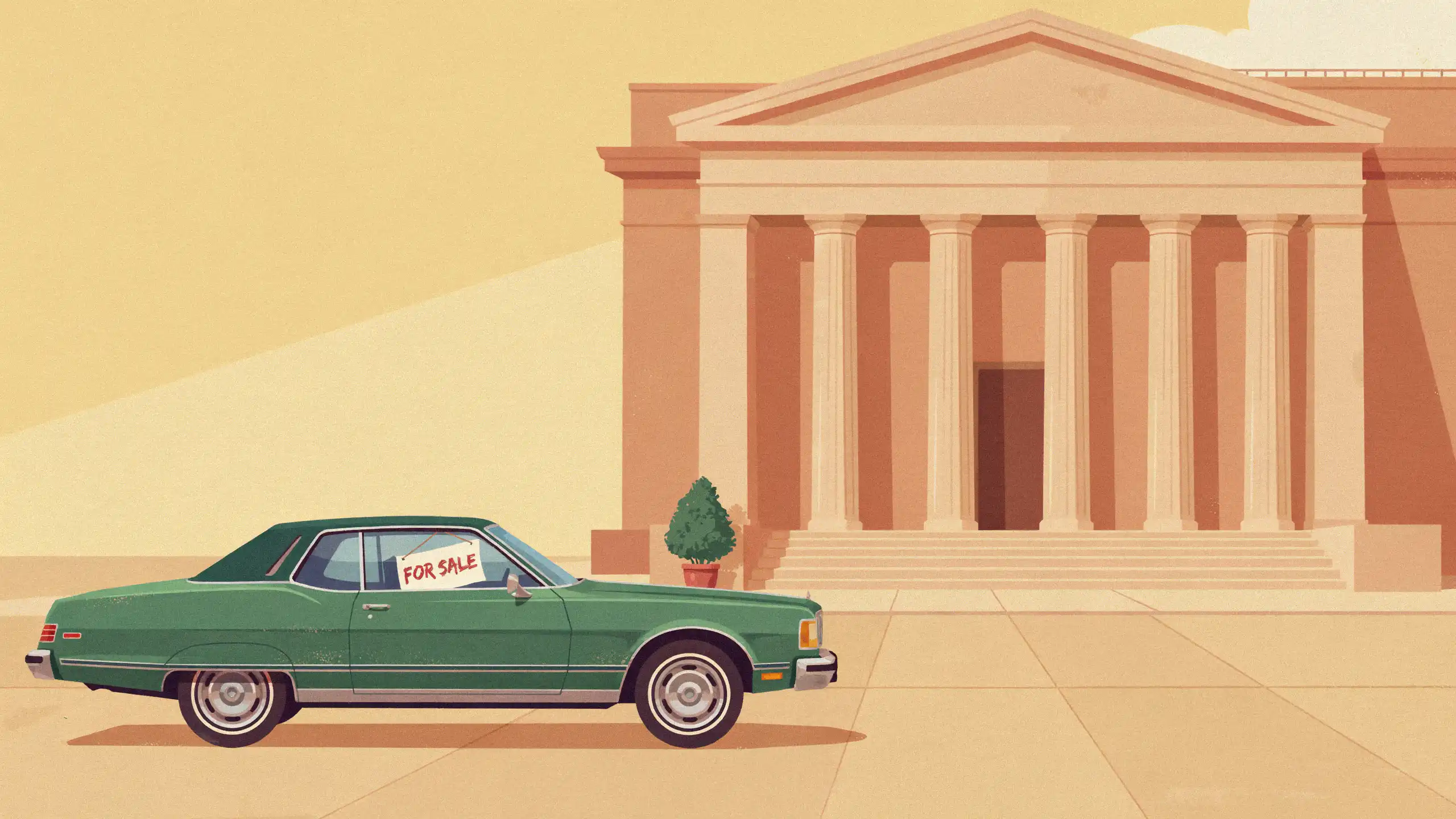 🏦Banking & Loans
Photo: Money Crashers
Key points
- Private-party auto loans generally offer lower interest rates than personal loans due to vehicle collateral.
- Lenders often have specific age and mileage restrictions for vehicles financed through private-party loans.
- Coordinating the title transfer and loan payoff at a bank branch provides security for both the buyer and seller.
Securing a private-party auto loan is often more cost-effective than using a personal loan when purchasing a vehicle from an individual seller. Because the vehicle serves as collateral for the lender, interest rates on auto loans are typically lower. For example, borrowing $10,000 over five years at an 8% auto loan rate results in a monthly payment of approximately $203, while an 11% personal loan would cost about $217, leading to a total savings of $880 over the life of the loan.
Not all financial institutions offer private-party financing, so it is essential to research lenders before beginning your search. Lenders often impose strict requirements regarding the vehicle's age and mileage, and some may have minimum loan amounts. If a vehicle is too old or the loan amount is too small to meet these criteria, a personal loan may be the only available alternative.
The process requires careful coordination between the buyer, the seller, and the lender. If the seller still owes money on the vehicle, the lender will typically pay off that balance directly to ensure the title is cleared. It is recommended to meet at a bank or credit union to finalize the transaction, ensuring that funds are transferred only when the title is officially signed over. Before finalizing, always verify the vehicle's history through official channels and have an independent mechanic perform a pre-purchase inspection.
What to do with this
If you are planning to purchase a car from a private seller, compare the total cost of borrowing between a private-party auto loan and a personal loan. Check with your local credit union or bank to see if they offer specialized financing for private sales, and ensure you have a pre-approval letter in hand before negotiating with sellers. If the vehicle does not qualify for an auto loan, evaluate your budget to ensure the higher interest rate of a personal loan remains affordable.
Watch next
- Check vehicle history at vehiclehistory.gov before finalizing any purchase agreement.
- Verify your lender's specific age and mileage caps on used vehicles before applying for pre-approval.
Source Money Crashers — moneycrashers.com/private-party-auto-loan/ ↗
Read next
 📊Investing
Comparing Pfizer’s 6% Yield and AbbVie’s 53-Year Dividend Track Record
Investors are weighing the high dividend yield of Pfizer against the long-term dividend growth history of AbbVie to determine which pharmaceutical stock offers better val…
 💰Save & Budget
Evaluating Costco Shopping Value Versus Stock Valuation Ahead of Black Friday
Market analysis suggests that Costco's current stock price may be overvalued compared to the savings potential of its retail offerings.
 📊Investing
Universal Technical Institute Reports $897 Million Revenue Amid Campus Expansion Plans
Universal Technical Institute reported $897 million in full-year revenue for 2026, driven by high demand for skilled trades training. The company plans to increase capita…
 📉Economy
Bitcoin Price Drops Below $60,000 Following $6.8 Billion Options Expiry
Bitcoin's price dipped below $60,000 on Friday as a significant volume of options contracts expired, fueling ongoing market uncertainty.
 🧾Taxes
Bitcoin Whales Accumulate 121,000 BTC Despite Declining Profit Margins
Large Bitcoin holders are bucking historical trends by accumulating over 121,000 BTC in the fourth quarter, even as realized losses mount and profit margins hit multi-yea…
 📉Economy
Arthur Hayes Warns of Crypto Volatility Ahead of Federal Reserve Blackout
Arthur Hayes suggests cryptocurrency markets may face weekend volatility due to the upcoming Federal Reserve policy quiet period. Analysts remain divided on whether Bitco…